

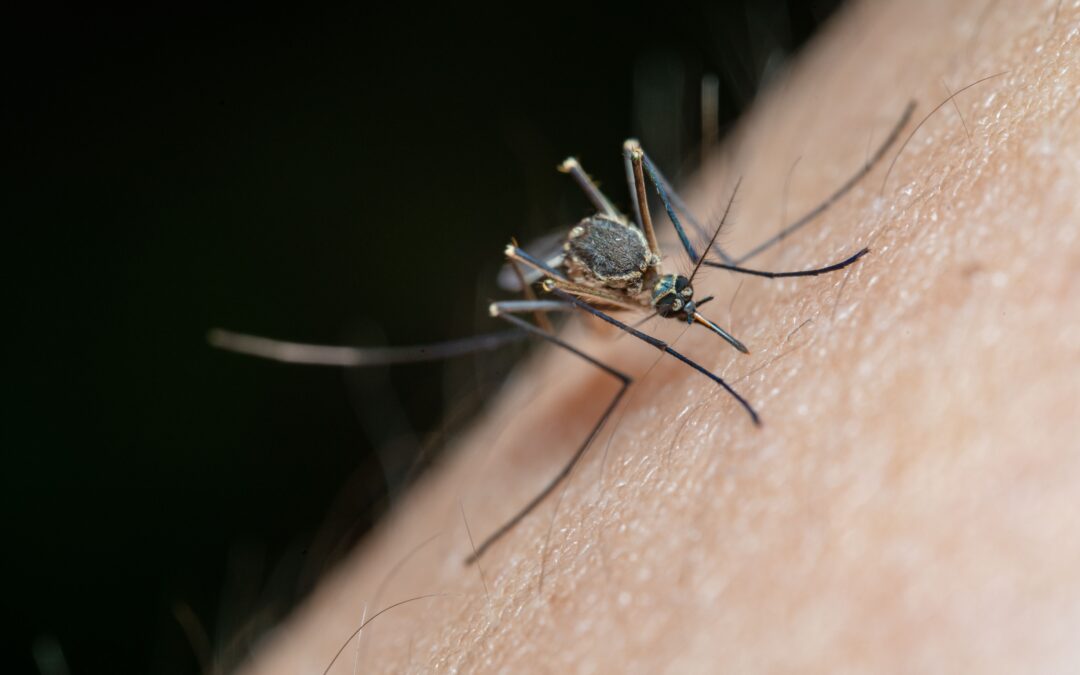
Mosquito Repellent in Thailand and When to Call Pest Control
If you are searching for mosquito repellent in Thailand, the honest answer is that most residents settle into a system rather than one perfect product. Here is what we actually use, alongside what to do if repellent alone stops being enough.
Need help ? Contact us today.

What We Use Day to Day
Our go to is lemongrass natural repellent, available as a spray or cream. It smells like lemongrass and does a reasonable job of keeping mosquitoes away without the stronger chemical smell some people dislike. It costs between 150 and 200 THB and is sold in natural stores, some pharmacies and a handful of souvenir shops, so it is not always in the first place you look.
When we run out and cannot find it quickly, we fall back on whatever is available at Boots. It is not fancy, usually somewhere between 30 and 50 THB depending on the bottle, but it works well enough to get you through an evening.
The one habit worth adopting regardless of which repellent you use is timing. Spray your ankles before leaving the house, especially in the late afternoon, since that is when mosquitoes tend to be most active and ankles are the part people forget most often.
When Repellent on Its Own Is Not Enough
If you are dealing with mosquitoes inside the house rather than just when you are out and about, personal repellent stops being the right tool and pest control becomes worth considering.
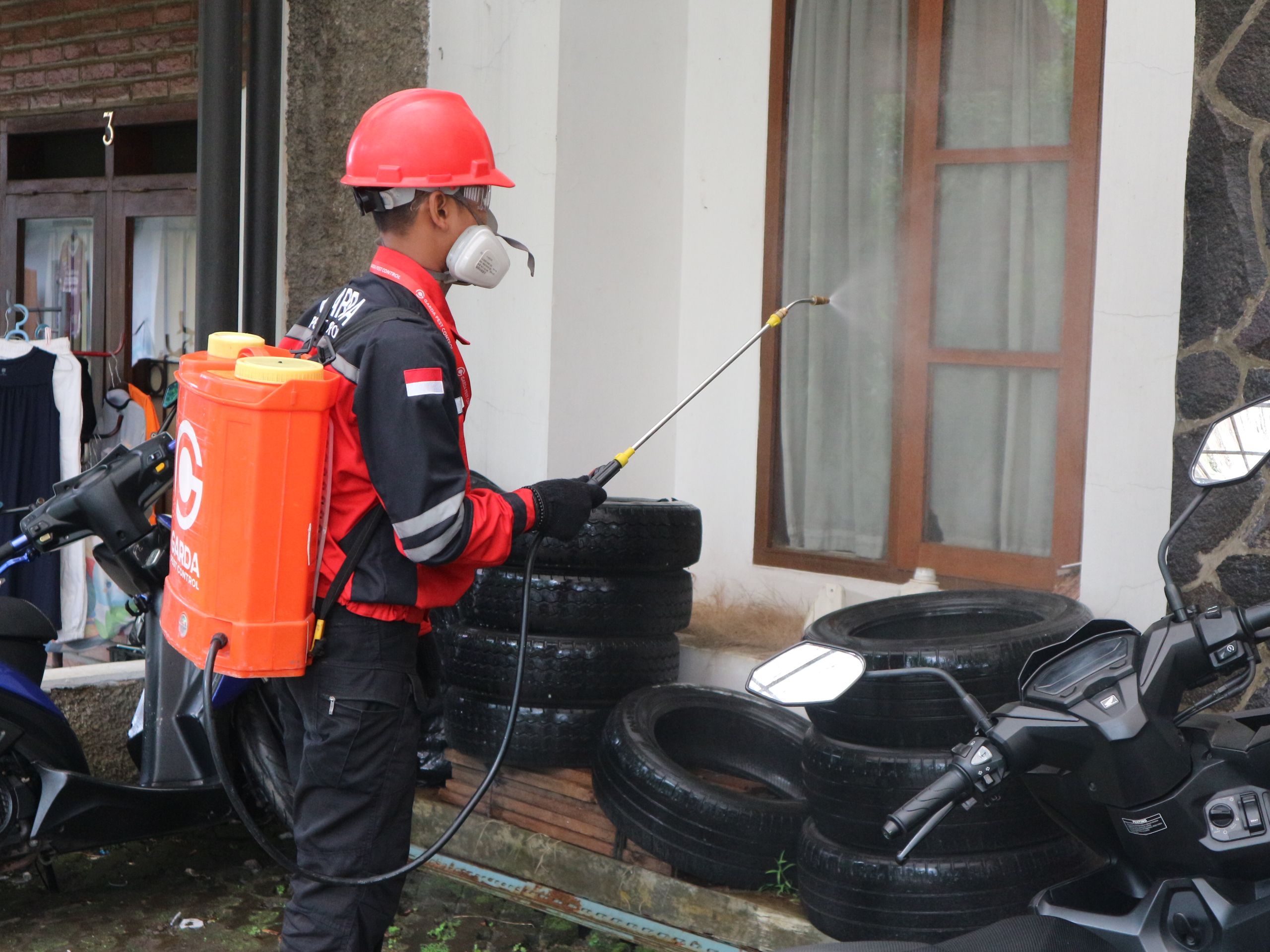
Most residents hire a pest control service to come every three months, though we would suggest once a month if you can, ideally around 5pm, which tends to be when mosquito activity peaks. The service typically covers outside and garden areas as standard, with inside spraying offered as an optional extra depending on the company. Costs run from around 700 to 3,000 THB depending on the size of the house.
Expect to see a few dead ants and other insects for about a day afterwards, then nothing. It is a noticeably better outcome than chasing geckos across the kitchen wall at night, and for most families it becomes a routine part of maintaining the house rather than a one off fix.
Seasonal Risk and What to Know
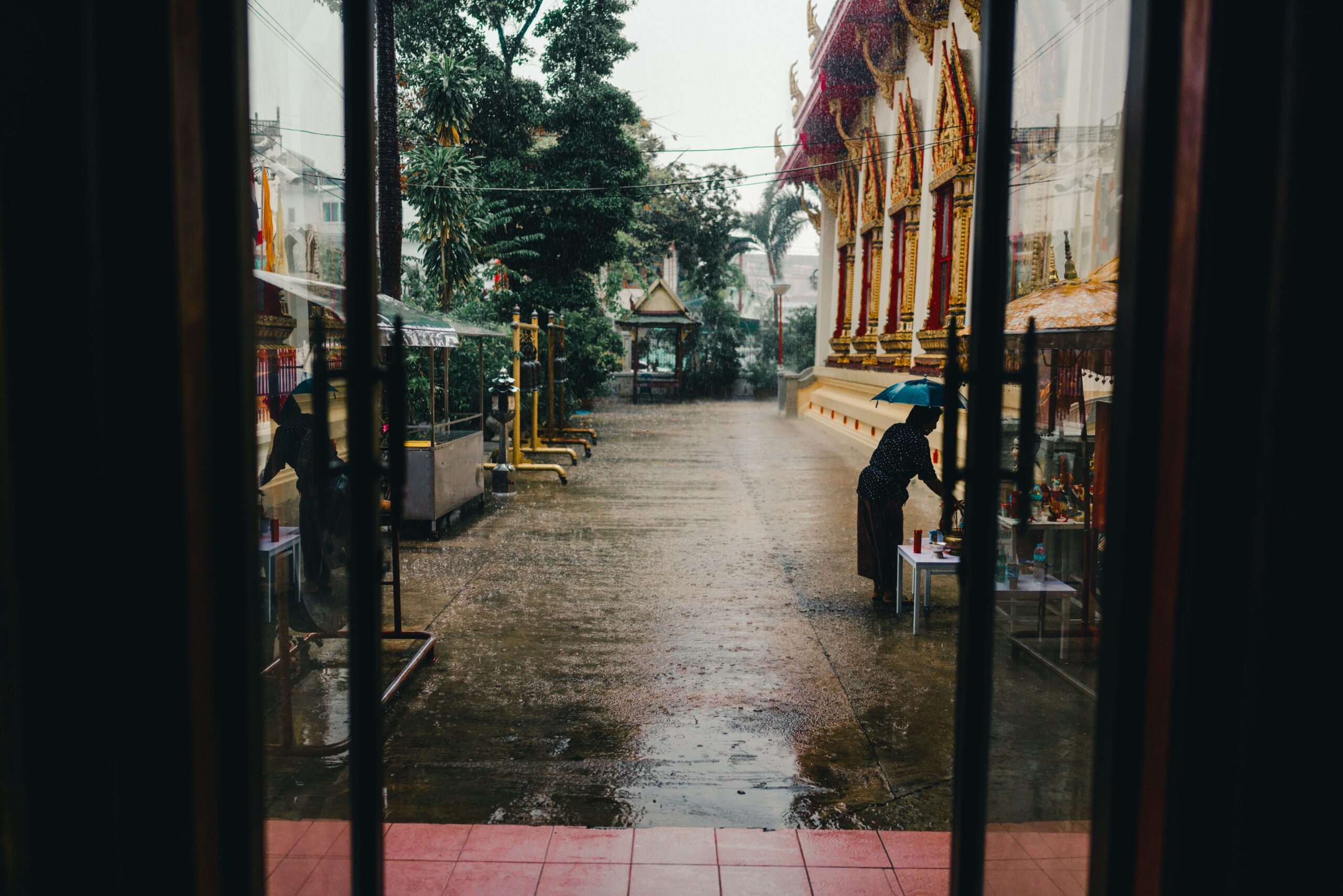
Mosquito activity in Thailand tracks the rainy season, which typically runs from May through October, with the Andaman coast (Phuket included) generally following that same pattern. Standing water from monsoon rain gives mosquitoes exactly what they need to breed, so this period is when repellent and pest control both matter most, not just for comfort but for reducing exposure to dengue fever.
Dengue is spread by the Aedes aegypti mosquito, which behaves differently to the mosquitoes people are usually picturing. It bites during the day rather than at night, with activity peaking around dawn and dusk, and it is common in urban and residential areas rather than deep countryside. This is worth knowing because it changes when repellent matters most. Early morning and early evening are the windows to be most consistent about, not just after dark.
Malaria is a separate mosquito borne illness but is not considered a risk in Phuket itself. Health authorities including CDC’s travel health guidance for Thailand list Phuket as a no risk area for malaria, with any real risk confined to rural forested regions near Thailand’s borders.
If you or a family member develop a fever, joint pain, rash or unusual fatigue during or shortly after the rainy season, it is worth seeing a doctor and mentioning mosquito exposure, rather than assuming it will pass on its own. Dengue is manageable with proper care, and most clinics and hospitals across Phuket are well set up to test for and treat it, but early diagnosis matters.
Related Reading
If mosquitoes are one of several practical adjustments on your mind, our guide to what life in Phuket is like for expats and families covers more of the day to day realities of settling in. For anyone still deciding whether relocating is the right move, our overview of moving to Phuket with your family is a good next read.
Dealing with pests, healthcare access, schooling and everything else that comes with relocating can feel like a lot to figure out alone. If you would rather talk it through with someone who has already navigated it, book a consultation with our team.
Frequently Asked Questions
Is natural mosquito repellent as effective as chemical options in Thailand?
Natural options like lemongrass work reasonably well for general day to day use, though they typically need reapplying more often than chemical repellents, especially in humid conditions or near water.
How often should I get my house sprayed for mosquitoes?
Most pest control companies recommend every three months as standard, though monthly treatment gives more consistent results if mosquitoes are a persistent issue at your property.
Does pest control spray affect pets or children?
This varies by company and product, so always ask your pest control provider directly about the specific chemicals used and any recommended precautions for pets or young children before booking.
Can I just do outside spraying and skip inside my house?
Yes, outside and garden spraying is usually the standard service, with inside treatment offered as an optional add on, so you can choose based on how much of an issue you are having indoors.
Is mosquito repellent easy to find across Phuket, or only in certain areas?
Chemical options from pharmacies and supermarkets like Boots are widely available. Natural repellents are less consistent and may take a bit more searching across natural stores and select pharmacies.
