

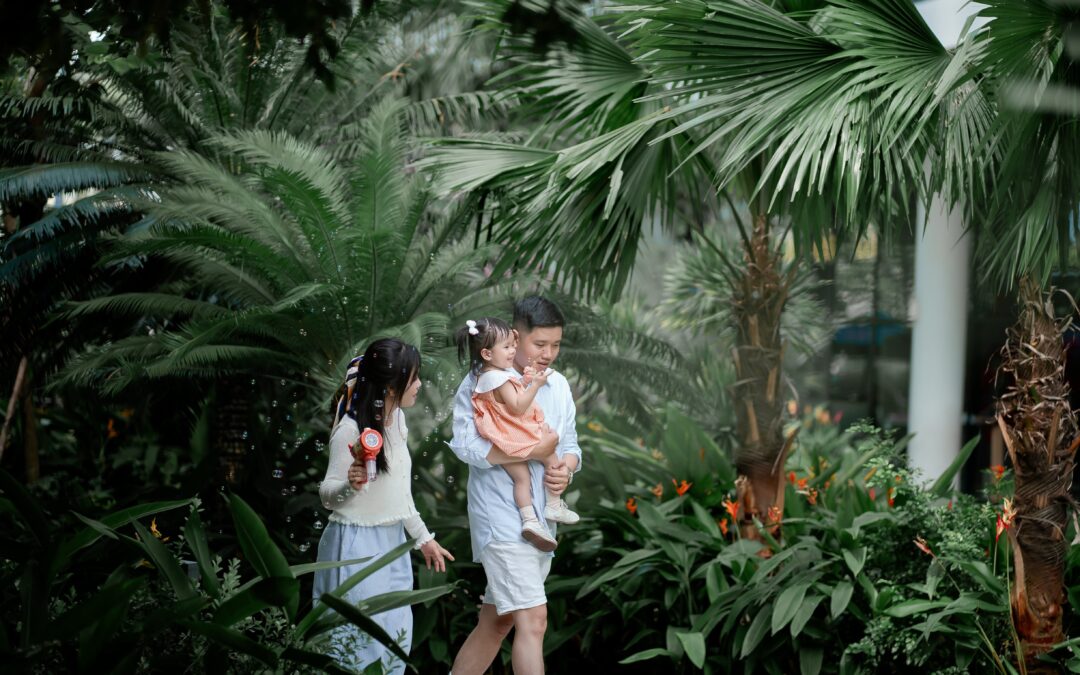
Most guides about moving to Phuket are written for digital nomads, solo travellers, or couples. They cover beaches, coworking spaces, and nightlife. They mention families in passing, if at all. This one is different. If you’re planning a family relocation to Phuket, you’ll quickly notice that most of what’s written online simply wasn’t built with your situation in mind.
Moving to Phuket with children involves a completely different set of decisions, priorities, and questions. Which school, which neighbourhood, which hospital, which visa, what will it actually cost once you factor in school fees. This guide answers those questions honestly, from people who have done it.
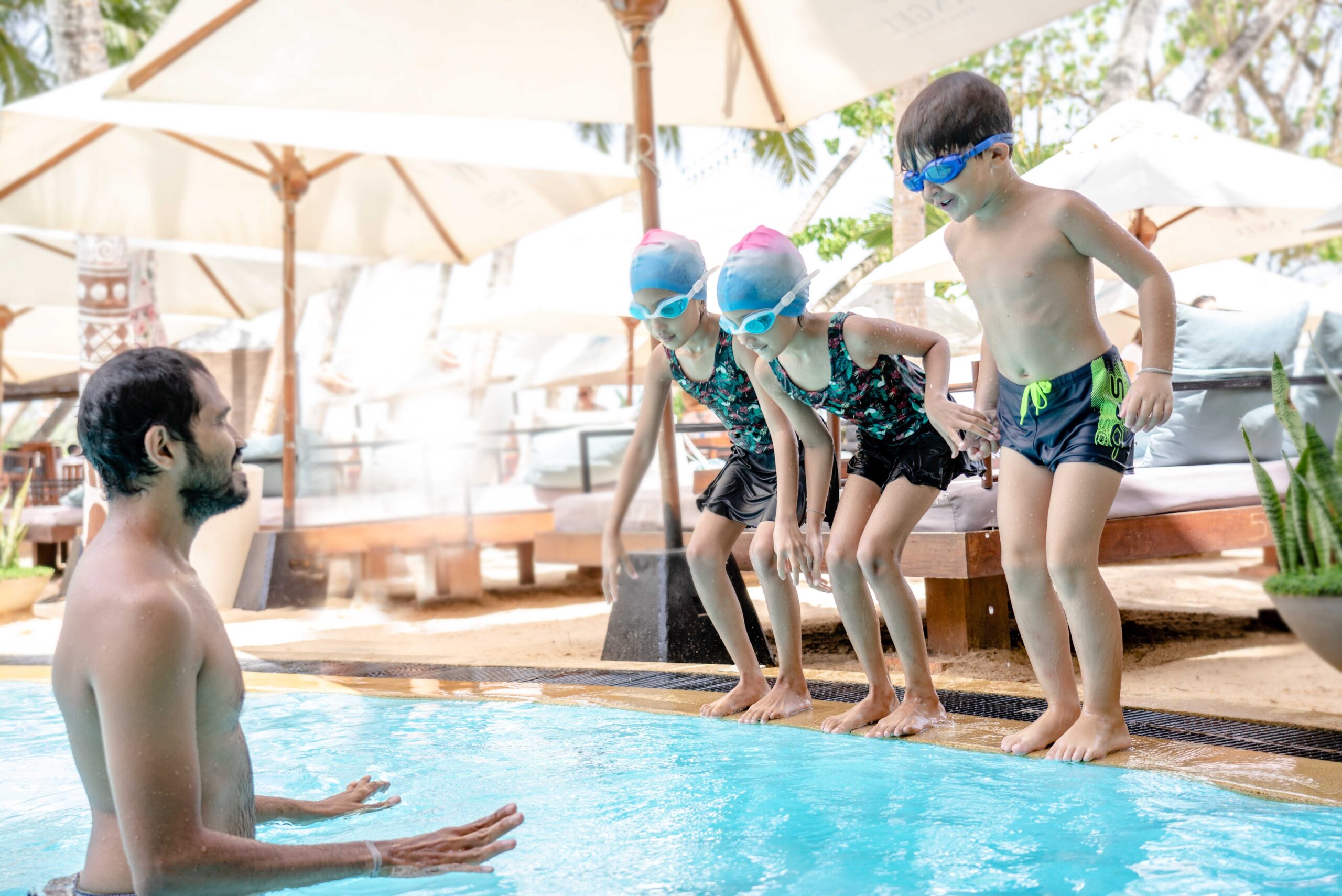
Is Phuket a Good Place for Families?
The short answer is yes, genuinely, but with conditions. Phuket works exceptionally well for families who arrive with a clear plan, the right financial setup, and realistic expectations. It is not the cheapest option and it is not the easiest transition. But for families who get the setup right, the quality of daily life here is hard to match anywhere in the world at a comparable cost.
The things that make Phuket good for families are real. International schools with strong academic standards. Warm weather year-round. A large expat community with established family networks. Access to domestic help that makes daily life significantly more manageable. Private healthcare that is fast, English-speaking, and affordable by Western standards. Outdoor life that your children will genuinely benefit from.
The challenges are also real. No footpaths in most residential areas means you need a car. The heat and monsoon season require adjustment. School fees are significant. And the transition takes time regardless of how well you have prepared.
Which Part of Phuket is Best for Families
North Phuket: Bang Tao, Cherng Talay, and Laguna
The north is where the majority of expat families with children end up and there are good reasons for that. The area around Bang Tao, Cherng Talay, and Laguna has the highest concentration of international schools on the island, the best infrastructure for family life, and a genuine community of expat families who have been here for years. Blue Tree Phuket is in this area, offering an outdoor community hub with parks, padel courts, and family facilities. The beaches at Bang Tao and Surin are quieter and cleaner than the tourist beaches further south.
The trade-off is that it is the most expensive part of the island for rental housing, and the further north you go toward the airport the more spread out daily life becomes.
For a full picture of what community life in this area looks like, our guide to Blue Tree Phuket covers the facilities and lifestyle infrastructure that make this part of the island particularly popular with families relocating from abroad.
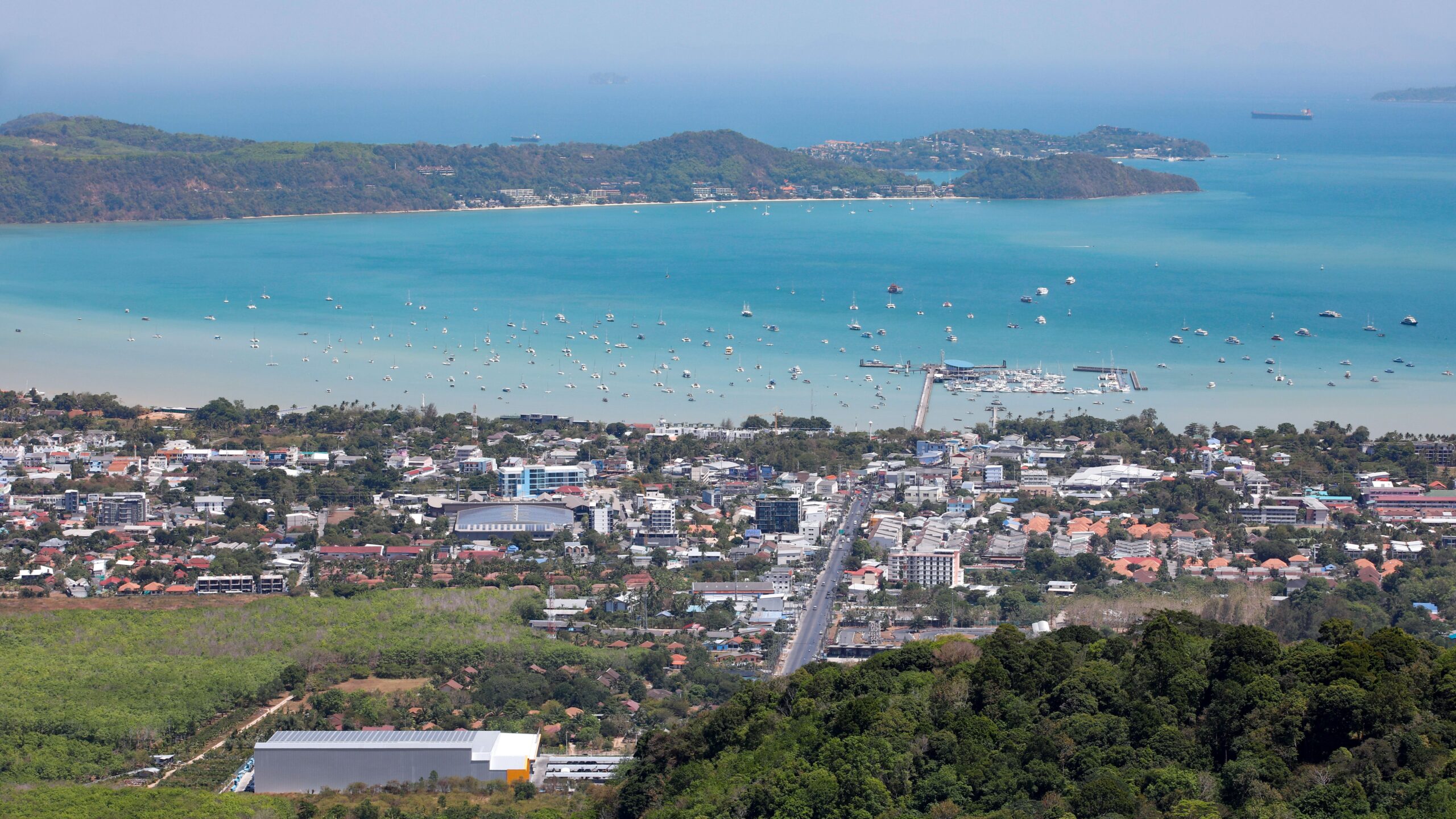
South Phuket: Rawai, Chalong, and Nai Harn
The south attracts a different kind of expat family. It is quieter, more local in character, and generally cheaper for housing than the north. Rawai and Nai Harn have a strong expat community with a more settled, long-term feel compared to the more transient population in the north. The beaches at Nai Harn are among the most beautiful on the island.
The practical consideration for families is school access. The south is further from most international schools which adds commute time to the school run. If your children are young and attending a local bilingual school or Kinderville this is less of an issue, but for families with older children attending BISP or UWC it is worth factoring in.
Central Phuket and Phuket Town
Less popular with expat families but worth knowing about. Phuket Town offers a more authentic Thai experience, lower costs, and good access to the main hospitals and administrative services. For families who prioritise cultural immersion and value for money over beach proximity, it is worth considering.
Schools in Phuket for Expat Families
Early Years and Primary
For younger children, the options range from large international schools with full early years programmes to smaller bilingual options. Kinderville Nova in Chalong is worth knowing about for families in the south, offering a bilingual British and Russian curriculum for children from two to eleven years old in a smaller, more intimate setting than the larger campuses.
For families in the north, most of the major international schools including BISP and UWC offer strong early years and primary programmes with English as the primary language of instruction.
Secondary and IB
For older children, British International School Phuket is the largest and most established option, offering IGCSE, A Levels, and the IB Diploma. UWC Thailand offers a full IB continuum from early years through to diploma level. Both have strong university placement records and cater well to internationally mobile families.
School fees at secondary level range from 420,000 to over 1,000,000 THB per year depending on the school and year group. This is the single biggest financial factor in the family budget and needs to be planned for before you arrive rather than after. For a full breakdown of the school systems and options available, our guide to high school in Phuket covers everything you need to know before making a decision.
Healthcare for Families in Phuket
Private healthcare in Phuket is genuinely good and significantly more accessible than most families expect before they arrive. Bangkok Hospital Phuket is JCI-accredited and has a strong paediatric department. Bangkok Hospital Siriroj in the north of the island is particularly popular with families in the Bang Tao and Cherng Talay area. Both have English-speaking staff and experience dealing with international patients and insurance providers.
For dental care, Smile Station in Phuket Town is widely recommended for children and Dr Ken is known specifically for his ability to keep anxious young patients calm and comfortable. For a full guide to finding the right dentist for your family, our dental care guide covers the best clinics for adults and children across the island.
Health insurance is essential and not optional. Private hospital costs without insurance can run to hundreds of thousands of baht for anything beyond a routine consultation. Getting the right policy in place before you arrive, with a direct billing arrangement at Bangkok Hospital Phuket, is one of the most important practical steps in the pre-move checklist. For a comprehensive guide to how healthcare works in Phuket for expat families, our healthcare guide covers everything from choosing a hospital to what insurance you actually need.
The Real Cost of Moving to Phuket with a Family
This is where most guides either underestimate or avoid the detail. Here is an honest breakdown:
Housing
A decent family villa with a pool in the north of the island typically runs from 50,000 to 120,000 THB per month depending on size, location, and quality. In the south you can find comparable properties for less. A two-bedroom apartment or townhouse suitable for a small family starts from around 25,000 to 40,000 THB per month in most areas.
School Fees
The biggest variable in the family budget. Budget from 420,000 THB per year per child at the lower end of the international school range, rising to over 1,000,000 THB per year for secondary students at BISP or UWC. These figures need to be factored in before any other budget calculation makes sense.
Monthly Living Costs
Beyond housing and school fees, a family of four living comfortably in Phuket should budget from 6,500 USD per month upwards. This covers groceries, transport, utilities, dining out, activities, healthcare, and a reasonable lifestyle, see our cost of living page for more details. Families choosing luxury housing and multiple children in international school will spend considerably more.
Domestic Help
Most expat families in Phuket have some form of domestic help. A live-in helper typically costs around 20,000 THB per month and transforms daily life in a way that is hard to overstate when you are far from extended family. For a practical guide to finding the right person, our guide to finding a nanny in Phuket covers everything from nationalities and pay rates to how to structure the arrangement properly.
Need a nanny ? Check out our guide below
Visas for Families Moving to Phuket
Thailand offers several visa options relevant to families relocating to Phuket. The most commonly used by expat families are the TR (tourist visa) used for shorter initial periods, the Non-Immigrant O for dependants of working spouses, the Education visa available to children enrolled in accredited schools, and the newer Destination Thailand Visa which offers longer stay periods for remote workers and long-stay visitors.
Visa planning for a family relocation to Phuket is more complex than for an individual move, because each family member’s situation may require a different approach.Getting this right before you arrive saves significant stress and cost. Our visa guide covers the main options used by expats in Phuket in practical terms rather than legal jargon.
What Nobody Tells You Before You Move with Kids
A few honest observations that the glossy relocation sites tend to leave out.
The school run is a significant daily logistical commitment. Many international schools do not have buses covering all areas, which means parents are driving twice a day every school day. Factor this into your neighbourhood decision before you commit to a lease.
Children adjust faster than adults. In most cases children settle into their new school and social life within a few weeks. Parents typically take longer to find their footing. This is normal and worth knowing in advance.
The expat community is warm but transient. You will make genuine friends here, but people come and go. Building relationships with both expats and Thai families gives your children a more stable social foundation than relying solely on the international school community.
Phuket rewards preparation. The families who struggle are almost always the ones who arrived without a financial plan, without understanding the school system, or without realistic expectations about what island life involves day to day. The families who thrive are the ones who did the work before they arrived.
Planning Your Family Relocation to Phuket
Moving to Phuket with your family is one of the most significant decisions you will make, and getting the details right before you arrive makes an enormous difference to how the transition goes. If you want honest, practical guidance on schools, neighbourhoods, visas, costs, and what family life in Phuket actually looks like from people who have lived it, book a 30-minute consultation call and get clear answers tailored to your specific situation.
Commonly Asked Questions About Moving to Phuket With Your Family
Is Phuket a good place to raise children?
Yes, for families who arrive well prepared. Phuket has strong international schools, good private healthcare, year-round outdoor life, and a large expat family community. The main challenges are the need for a car, higher costs than most people expect, and the adjustment period that comes with any international move. Families who do the planning properly tend to love it.
Which area of Phuket is best for families?
The north, particularly Bang Tao, Cherng Talay, and the Laguna area, is the most popular choice for expat families due to the concentration of international schools, established family infrastructure, and community facilities. The south around Rawai and Nai Harn suits families who prefer a quieter, more local atmosphere and are willing to factor in a longer school commute.
Families comparing locations can also browse international schools across Phuket, including available curricula, fees and school-profile information, click here for more information.
Do I need health insurance when moving to Phuket with my family?
Yes, without question. Private hospital costs in Phuket without insurance can run to hundreds of thousands of baht for anything beyond a routine consultation. Getting the right international health insurance policy in place before you arrive, with direct billing at one of the major private hospitals, is one of the most important steps in the pre-move process.
How long does it take for children to settle in Phuket?
Most children adjust to their new school and social environment within a few weeks, particularly at international schools with experience welcoming new students mid-year. Parents typically take longer to settle. Having a clear plan for the first few months, including school enrollment, housing sorted in advance, and connections to the local expat community, makes the transition significantly smoother.
