


What Life in Phuket is Like for Expats and Families in 2026
You want the short version? It is different. It takes a few months to adjust. And no, it is not as cheap or as easy as it looks on vacation.
If you are used to life in a fast-paced or structured place, the transition takes time. Some people figure it out quickly. Others learn the hard and expensive way. Either way, you will adjust. That is not a warning, it is just the reality that most guides about life in Phuket conveniently leave out.
Phuket is an island. That is not just geography, it is a mindset. Island life is slower, more spread out, and considerably more weather-dependent than most people expect. It comes with genuine freedom and real trade-offs, and understanding both before you arrive makes the difference between a smooth transition and a stressful one.
Getting Around Phuket
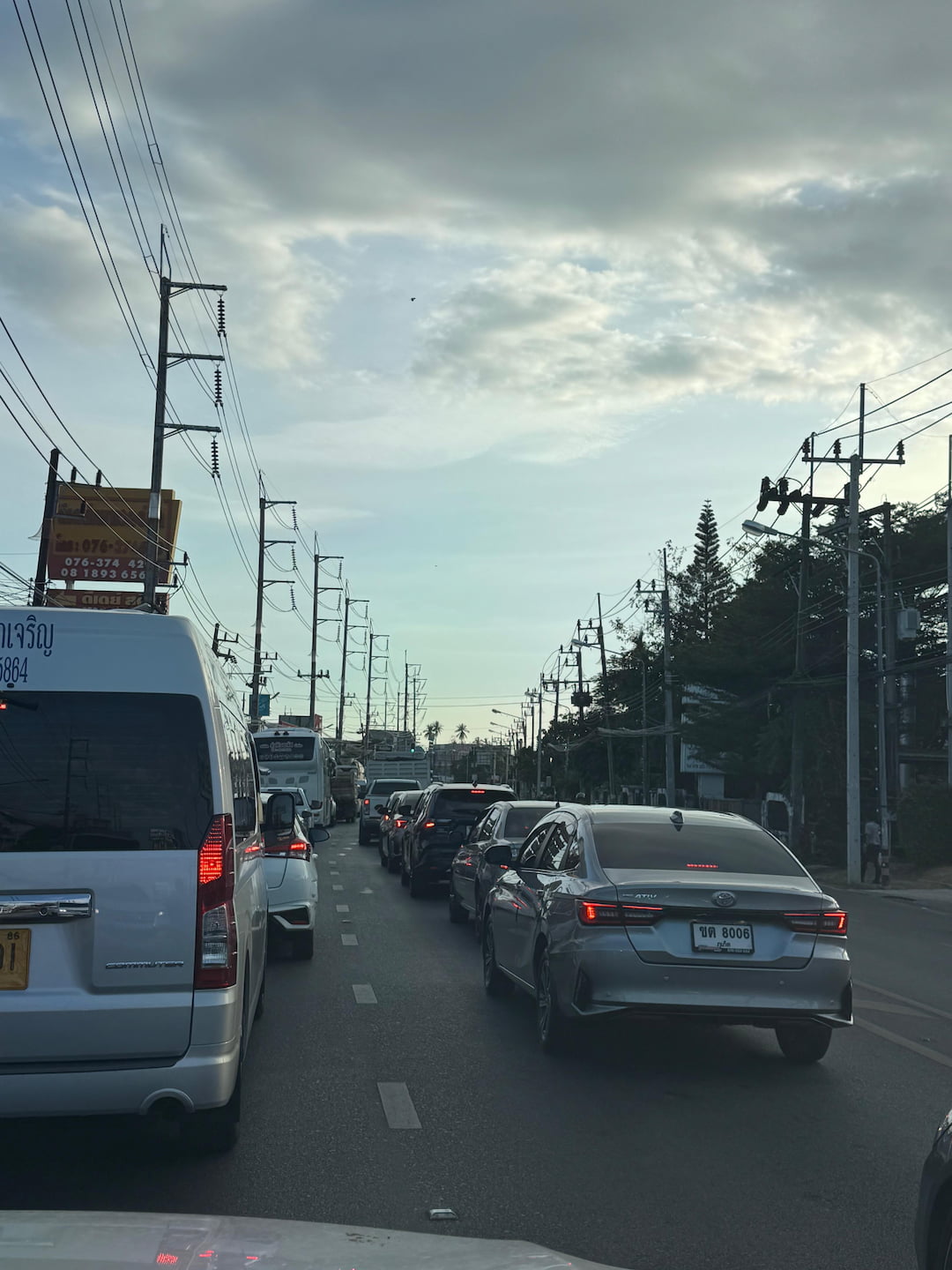
You Will Drive Everywhere
This is not a walking city. There are no pavements in most residential areas, no neighbourhood centres, and no stroll-to-the-playground setup that families from Europe or Israel might be used to. Everything requires transport, and that shapes daily life more than most things.
If you have children, you need a car. Scooters are common on the island but they are not safe for families, and this is not a point that is worth debating. A car gives you options, flexibility, and peace of mind. Get one early and your daily life will be significantly easier from day one.
Shopping and Groceries
Groceries take more effort than most people expect. There is no single supermarket that stocks everything at reasonable prices. You will end up using a combination of large supermarkets like Villa Market, Tops, and Makro, local fresh markets for produce and fish, and online orders for imported items from back home. Even basic things like specific flour, certain spices, or familiar personal care products will feel different or require a dedicated trip to find.
This is not a dealbreaker, and most people settle into a rhythm quickly. But it is worth knowing before you arrive so you are not caught off guard in the first few weeks when you cannot find your usual brand of anything.
The Real Cost of Living in Phuket
This is where most guides either underestimate or oversimplify. Phuket is not cheap in the way people imagine before they arrive, and the costs have risen considerably over the last few years as the expat population has grown and demand for housing has pushed prices up.
For a regularly updated breakdown of average costs, Numbeo’s Phuket cost of living index is a useful reference point.

Shopping and Groceries
Groceries take more effort than most people expect. There is no single supermarket that stocks everything at reasonable prices. You will end up using a combination of large supermarkets like Villa Market, Tops, and Makro, local fresh markets for produce and fish, and online orders for imported items from back home. Even basic things like specific flour, certain spices, or familiar personal care products will feel different or require a dedicated trip to find.
This is not a dealbreaker, and most people settle into a rhythm quickly. But it is worth knowing before you arrive so you are not caught off guard in the first few weeks when you cannot find your usual brand of anything.
Realistic Monthly Budget Estimates
A retired couple with no children can live comfortably on roughly 2,500 to 4,000 USD per month depending on housing choices, lifestyle, and how much they eat out. That figure covers rent on a decent property, transport, food, utilities, health insurance, and regular dining.
For a family with children the numbers shift significantly. Once international school fees are factored in, which typically run between 420,000 and 1,100,000 THB per year depending on the school and year group, a realistic monthly budget sits at 6,500 USD and above. Some families manage on less with careful choices, others spend considerably more. The honest answer is that every household is different and shaped by location, lifestyle, and school choices.
Families choosing luxury villas and international schooling often exceed 120,000 to 200,000 baht monthly, with rent remaining the biggest single expense for most expats.
What your money gets you here is the important nuance. Many families find they are spending a similar overall amount to what they spent at home, but getting considerably more for it. More space, more help at home, more access to outdoor life, and more time as a family. That trade is the reason most people who come to Phuket end up staying longer than they planned.

Working in Phuket
Unless you are bringing a job with you, whether that is remote work, freelance income, or an existing business, do not plan on building your income from scratch in Phuket. There are people who open businesses here or teach English or something similar, but most do not earn enough to fully support a family long term through local employment alone.
The realistic financial foundation for most people living in Phuket long term is remote work, savings, investments, or income from outside Thailand. This is not a criticism of the island, it is simply the economic reality. As of early 2026, a single person can live comfortably in Phuket on around 70,000 to 90,000 baht per month, covering rent, food, transport, and leisure. But generating that income locally is a different matter entirely.
Many families come to Phuket for a year or two with savings or remote income and then move on. That is a completely valid and increasingly common approach to island life, and it is worth planning for honestly rather than arriving with vague assumptions about what work will look like.
Having Help at Home
This is one of the genuine lifestyle advantages of living in Southeast Asia that people rarely talk about openly. Most expat families in Phuket have some level of help at home. A housekeeper, a nanny, or a part-time helper is common and affordable in a way that simply is not the case in most Western countries.
This is not a luxury reserved for the very wealthy. It is a normal part of daily life here, and it gives families time back for the things that actually matter. There is no shame in it, and getting used to accepting that kind of support is part of adjusting to life in Phuket.
What Nobody Tells You Before You Move
A few honest observations that rarely make it into the glossy relocation guides:
The heat is relentless, especially from March to May. You will spend more time indoors than you expect during peak heat and heavy rain months. Air conditioning bills are higher than most people budget for.
Everything takes longer than it does at home. Bureaucracy, appointments, deliveries, and general admin all operate on a different timeline here. Patience is genuinely a practical skill in Phuket.
The expat community is large and welcoming but also transient. People come and go constantly, which is both freeing and occasionally frustrating when you build friendships that then relocate.
The island rewards people who engage with it properly. The beach, the food, the pace, the access to Southeast Asia, the quality of private schools and healthcare all genuinely deliver. But they deliver most for people who arrived with realistic expectations and a solid plan.
Is Life in Phuket Right For You?
That depends entirely on what you are looking for, what your financial situation is, and whether you have done the planning properly. Phuket works exceptionally well for the right person or family with the right preparation. It is genuinely one of the best places in the world to raise children if the conditions are right, and the quality of life for adults who get the setup correct is hard to match.
But it is not for everyone, and it is not as simple as it looks from the outside. The people who struggle here are almost always the ones who arrived without a clear financial plan, without understanding the school system, or without realistic expectations about what island life actually involves day to day.
If you are seriously considering a move and want honest, practical guidance on whether Phuket is the right fit for your family, what it will actually cost, which areas suit your lifestyle, and how to set everything up before you arrive, that is exactly what we cover in our consultation calls.
Book a 30-minute call and get clear answers specific to your situation rather than generic advice that does not account for the details that actually matter.
Commonly Asked Questions About Life in Phuket
Is life in Phuket good for families?
Yes, for families who arrive well prepared. Phuket has strong international schools, good private healthcare, a large expat community, and a quality of daily life that is hard to match at comparable cost. The trade-offs are the need for a car, higher costs than people expect, and the adjustment period that comes with island life. Families who do the planning properly tend to love it.
How much money do you need to live in Phuket comfortably?
A retired couple without children can live comfortably on roughly 2,500 to 4,000 USD per month. A family with children in international school should budget from 6,500 USD per month upwards depending on housing choices, school fees, and lifestyle. These figures vary significantly based on individual circumstances.
Can you work in Phuket as an expat?
Most long-term expats in Phuket work remotely, run online businesses, or have income from investments or savings rather than relying on locally generated income. Building sufficient income from scratch in Phuket to support a family long term is difficult. Remote work combined with the island’s quality of life is the model that works best for most people.
What is the best area to live in Phuket for families?
The most popular areas for expat families are Cherng Talay and Bang Tao in the north, and Rawai and Chalong in the south. Both offer proximity to international schools, good housing options, and a more residential feel than tourist-heavy areas like Patong. The north tends to suit families focused on beach lifestyle while the south suits those who prefer a quieter, more local atmosphere.
How long does it take to adjust to life in Phuket?
Most people find the first one to three months the most challenging as they work out the practicalities of daily life, find their rhythm with shopping, transport, and services, and settle their children into school. By the six-month mark most expat families feel genuinely settled and wonder why they were apprehensive in the first place.
