


Moving to Thailand from the UK and What Life in Phuket Is Really Like
Moving abroad from the UK is a big decision, and Thailand, Phuket especially, is one of the more popular destinations for British people looking for a genuinely different pace of life. Here is an honest picture of what changes once you make the move, alongside the practical basics you will need to sort before you get here.
What Changes When You Move
We all know the UK’s weather can be grey and dull at the best of times, and moving to Thailand, Phuket specifically, changes that in a way that is easy to underestimate until you live it. Between the sea breeze and noticeably better air quality than a lot of bigger cities, it makes a genuinely tangible difference to how good you feel day to day. It took me a while to adjust at the start, I kept trying to make the most of the sun the way you instinctively do back home, treating every sunny moment like it might not last. Eventually you realise the sun here is not a hot commodity the way it is in the UK, it is just a normal part of daily life, and that shift in mindset alone changes how you experience each day.
Coming from the UK, people often assume the main appeal is spending less money, and depending on where and how you live, that can be true, but it is not always the case. What genuinely changes, more than your monthly outgoings, is quality of life. The UK and most Western countries are expensive by default, and that cost buys you comparatively little novelty or flexibility day to day. Here, for similar spend, you get the freedom to experiment, with where you live, how you dress, what you do with your time, in a way that simply is not accessible back home. Thai culture is also, for the most part, genuinely warm and welcoming compared to the UK, and that alone brings a different energy to daily life, before you even factor in the natural surroundings.
The practicalities that matter most in the first few months are usually housing, healthcare access, and if you have children, schooling. Our guide to what life in Phuket is like for expats and families goes into more detail on the day to day side of settling in, and if you are specifically looking at renting before you buy or build anywhere permanent, our guide to renting a house in Phuket covers what to check before you sign anything.
Getting Your Visa Sorted
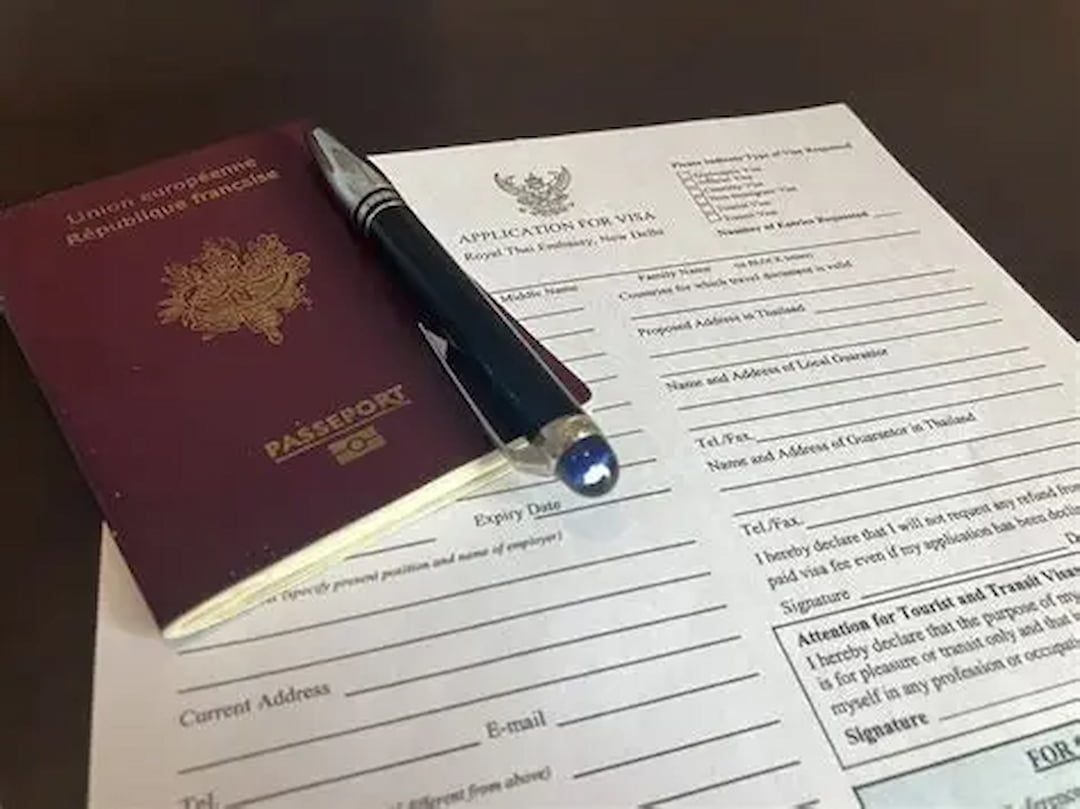
There are several visa routes available to UK citizens depending on your circumstances, retirement, marriage to a Thai national, employment, or longer stay options like the Destination Thailand Visa for remote workers and freelancers. Applications for most of these go through Thailand’s official e-Visa portal at thaievisa.go.th, the only genuine government source, worth noting since several paid third party sites are designed to look official and charge unnecessary markup fees for the same process. Having gone through this myself, I would say the requirements themselves are usually straightforward, but expect more back and forth over documents than you might anticipate, this is not always the fastest process, so patience helps.
Be Aware!
Requirements and processing changes, sometimes with little notice, so always confirm current details directly through the official gov.uk Thailand travel advice page and the e-Visa portal itself before making plans.
Settling In as a British Expat
Phuket has a genuinely large and active British and wider English speaking expat community, particularly in the south of the island, which makes the early months easier than you might expect. That said, moving somewhere new always comes with an adjustment period, and for me, the biggest one was not the visa process itself, it was the banking and the general lack of bureaucracy around everyday things like renting a property or hiring a scooter. There are real benefits to that, but also real drawbacks. Deposit protection when renting is close to non-existent compared to the UK, and while that makes sense given how the system here works, it can genuinely put legitimate expats in difficult positions if you are not careful about who you deal with and what you agree to upfront.
Being away from home and family is worth being honest about too. Missing events and get togethers back in the UK can be genuinely isolating, particularly for anyone moving out here alone, though it tends to be far less of an issue if you are relocating as a family rather than by yourself.
Where you choose to live changes the experience considerably. I initially based myself in Thalang, which is still popular with expats staying long term, but it had too much of a permanent holiday feel to it for my liking, no real sense of structure to the day. Moving to the Rawai and Chalong side of the island gave me a genuinely different feeling, living here rather than being on an extended holiday. If you are looking specifically at areas worth considering, I would point families toward the less touristic areas of the island, rather than the areas built primarily around tourism.
My other practical advice, be wary of people taking advantage of the lack of formal protections, particularly around deposits and payments, and be more frugal than convenience naturally pushes you to be. Even somewhere comparatively cheap, it is easy to overspend simply because things are more accessible and you end up buying considerably more than you would at home.
Getting Help With Your Own Move
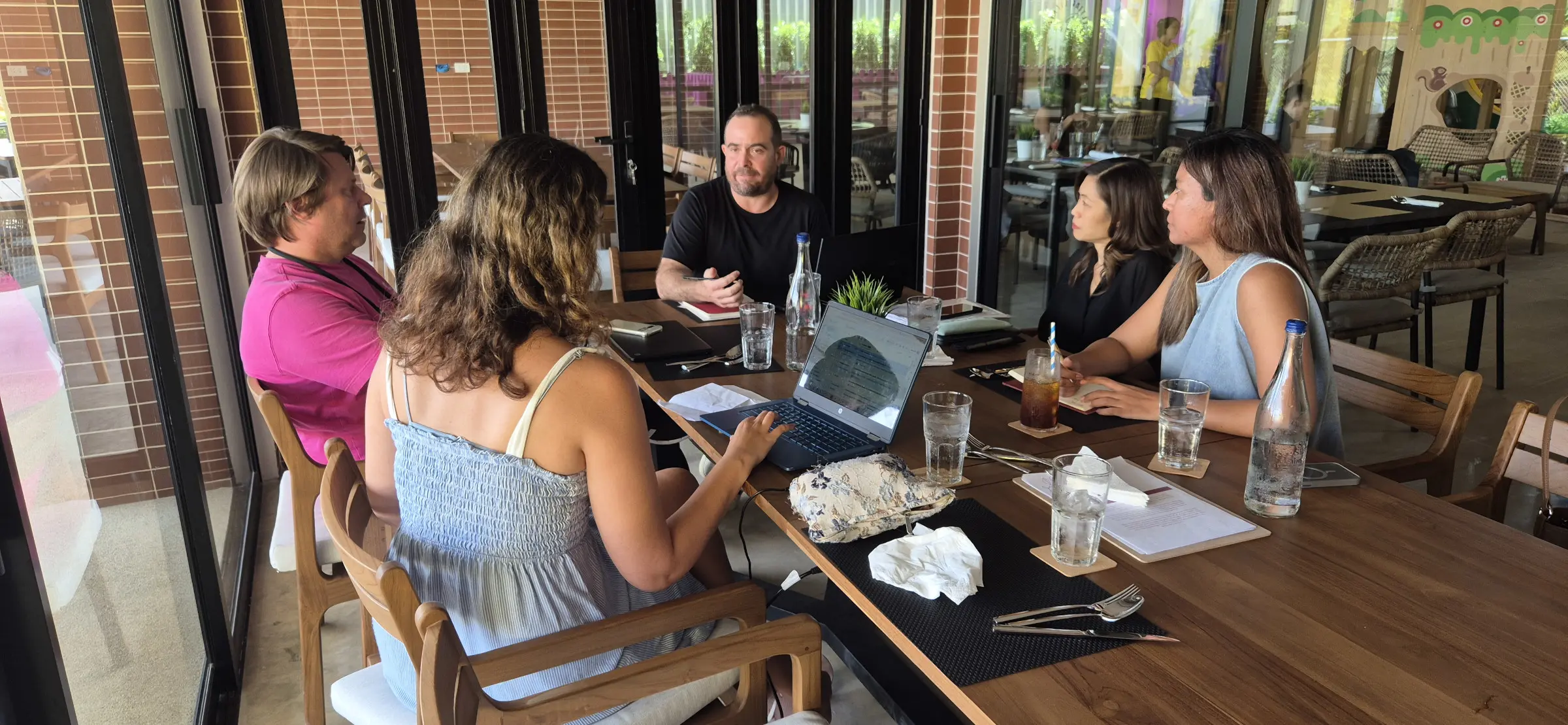
Between visas, housing, schooling and everything else, relocating involves a lot of moving parts, and it is easy to spend more time and stress than necessary trying to piece it together alone. Having a relocation consultancy guide you through the process, rather than figuring out the right visa route, the right area, and the right schools separately and from scratch, makes the whole thing considerably smoother.
If you are a UK citizen thinking about moving to Thailand from the UK, book a consultation below and we can talk through your specific situation and what the right path looks like for you.
Frequently Asked Questions
Do UK citizens need a visa to move to Thailand long term?
Yes, while UK citizens can enter Thailand visa free for short stays, anyone planning to live in Thailand long term needs one of the longer stay visa categories, the right one depends on your personal circumstances such as age, income, and purpose of stay.
Is Phuket expensive to live in as a UK expat?
It varies considerably depending on lifestyle and location. Costs can be lower than the UK in some areas, particularly housing and food, but Phuket is not the cheapest part of Thailand, and popular expat areas can carry a premium.
What is the biggest adjustment moving from the UK to Thailand?
Most people find the pace and systems take some getting used to, processes that are quick and standardised in the UK can take longer or work differently here, patience and flexibility make the adjustment considerably easier.
