
Contact Us

Contact Us

How Digital Nomads in Phuket Do a Trial Run Before Relocating
There is a version of moving to Phuket that nobody talks about — the one that does not start with a removal van and a one-way flight. It starts with a longer stay, a deliberate one, where you live somewhere properly rather than visiting it. You work your usual hours. You shop at the local market. You figure out where you would actually spend a Tuesday. And at the end of it, you either know that Phuket is right for your family, or you know it is not, without having uprooted your entire life to find out.
This is what smart digital nomads in Phuket have been doing for years. Before we explain how, it is worth being clear on why the trial run approach works better than most people expect.
Thinking about relocating to Phuket?
Why Relocating Without a Trial Run Is a Bigger Gamble Than It Looks
Most people who relocate abroad and find it does not work out will tell you the same thing – they did not give themselves enough time to see past the holiday version of the place. Two weeks in a serviced apartment is not the same as three months living somewhere. The beaches look the same but the experience is completely different.
The practical questions you cannot answer from a holiday are the ones that determine whether a move sticks. What is the school situation actually like, rather than what the brochures say? How does it feel to work from here on a normal day, not a beach day? What does it cost to live comfortably once you account for everything, not just rent? How long does it take to feel like you have a community rather than just neighbours?
These are answerable questions, but only if you spend enough time in the right environment to get honest answers to them. A trial run gives you that time.

What a Proper Trial Run Entails
The minimum useful length for a trial relocation stay is 30 days. Less than that and you are still in holiday mode, where everything feels novel rather than normal. At 30 days the novelty fades. The routine sets in. You start seeing the place for what it actually is rather than what it looks like when you are on annual leave.
During that time the goal is to live as close to your real life as possible. That means working your regular hours, cooking sometimes rather than eating out every night, doing the weekly shop, and going through the motions of the admin that comes with living anywhere. It sounds less romantic than a holiday, which is the point. You are not testing whether Phuket is a nice place to visit. You already know that. You are testing whether it is a practical place to live.
The specific things worth investigating during a trial stay are schools if you have children, private healthcare access, the cost of daily life against your realistic budget, and which part of the island actually suits your family’s habits. These are not things you can research fully from home, and they are not things you will figure out in two weeks.
Why Coliving Works Better Than a Hotel or Short-Term Rental
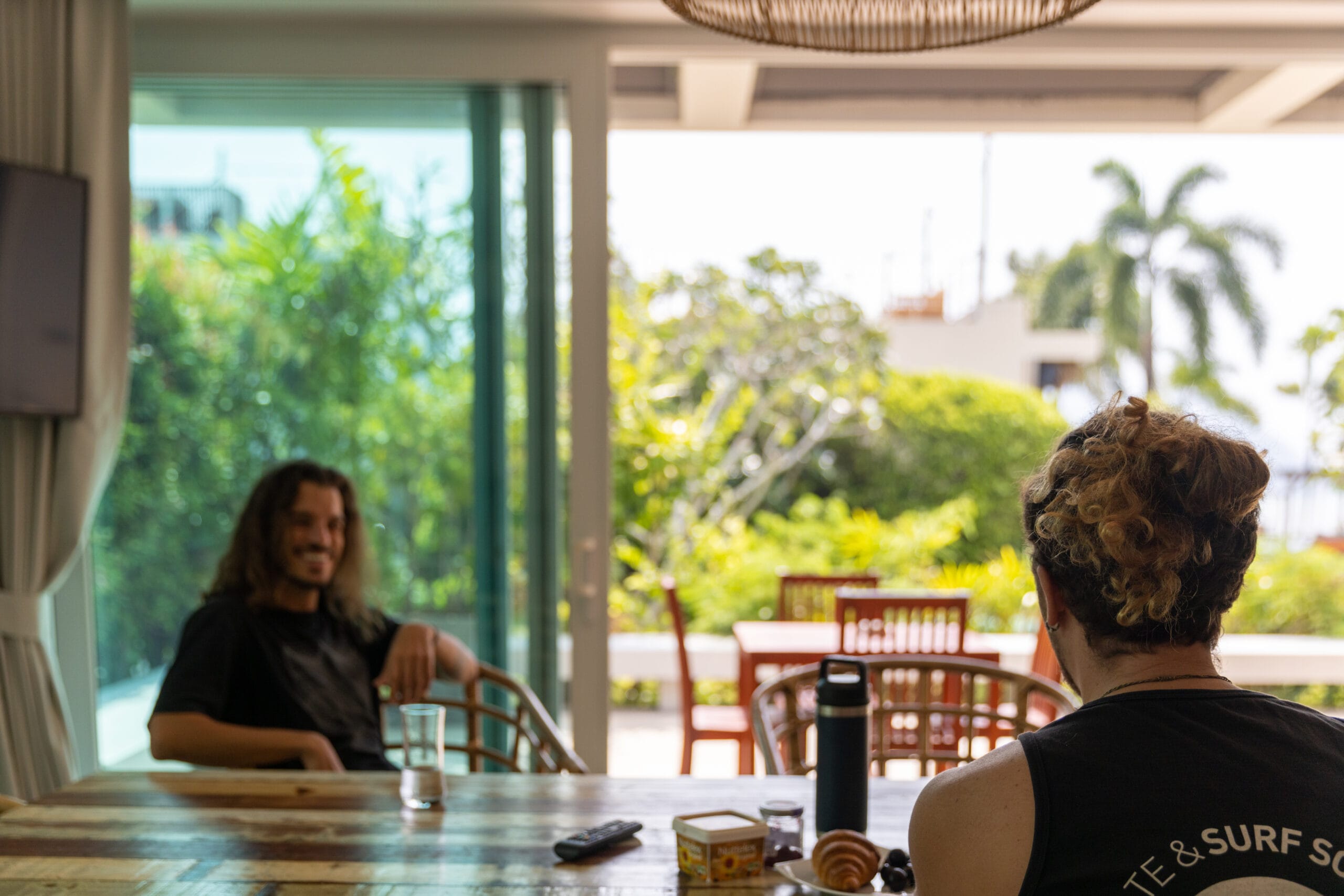
There are three ways to structure a trial stay: a hotel, a short-term rental, or a coliving arrangement. Hotels keep you in tourist mode. Short-term rentals can work but the upfront cost and administrative friction of finding a decent one remotely is a project in itself. Selina Colive solves both problems.
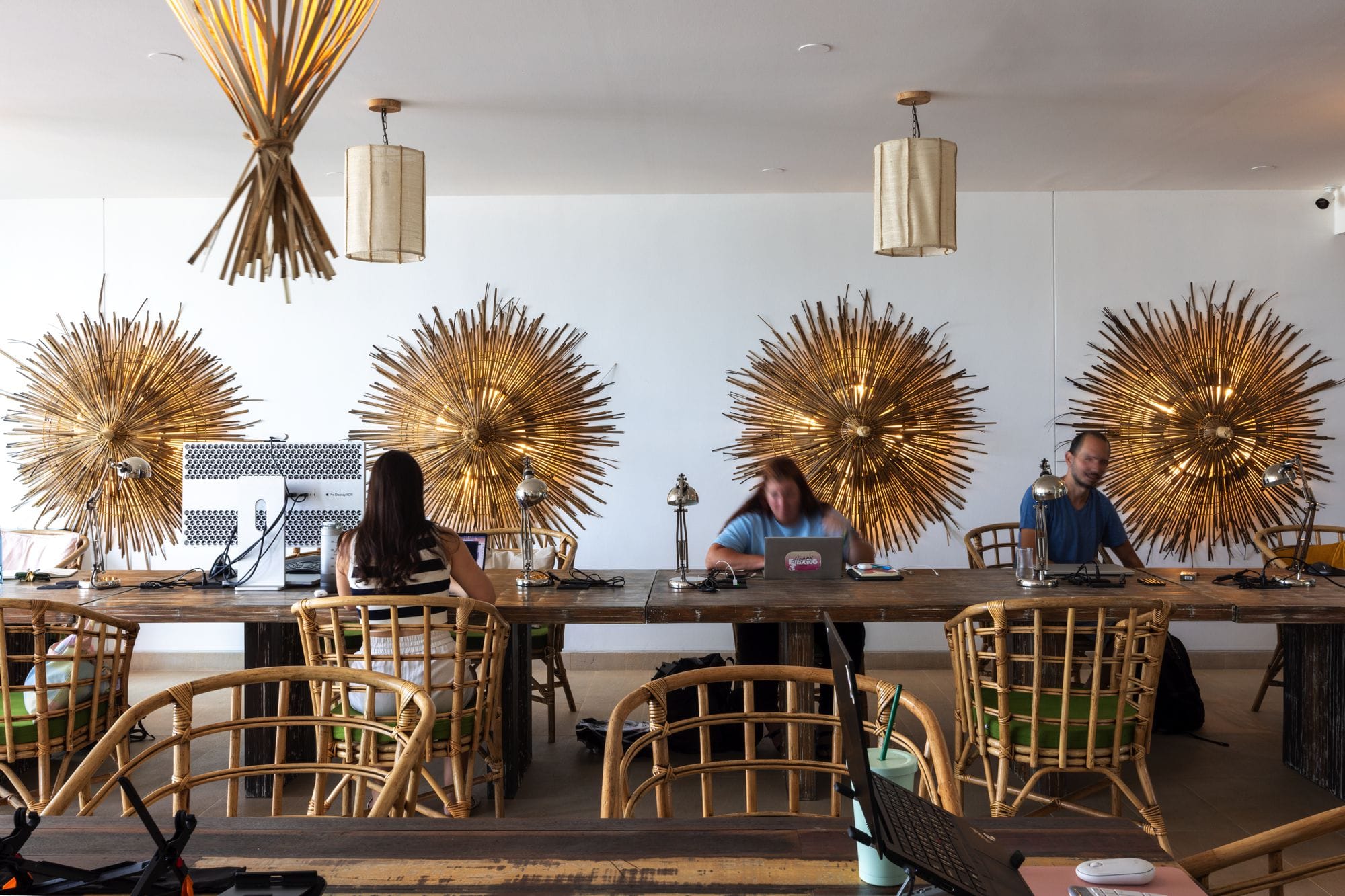
The practical case for coliving during a trial run is straightforward: everything is handled from day one, the workspace is built in, and the cost is predictable. There is no deposit to negotiate, no landlord to chase about the wifi, and no separate co-working membership to sort out. You arrive with a functioning setup rather than spending the first week getting one.
The less obvious case is the community angle. Coliving environments, done well, put you in contact with people in a similar situation quickly. Some of them will have been in Phuket for years. Some will have just arrived. Both groups are useful. The long-termers know things about the island that take years to learn independently. The recent arrivals are going through the same questions you are and their perspective is current.
Selina Serenity Rawai runs a CoLive package specifically designed for this kind of longer stay. From THB 375 per night for a minimum of 30 nights, it includes free access to their co-working space, complimentary morning yoga, ten per cent off food and spa treatments, and access to a shared kitchen, pool, library, and movie room. It is based in Rawai on the southern tip of Phuket, which is one of the more liveable and community-oriented parts of the island for people considering a longer-term move.
The Questions Worth Answering Before You Commit
A trial run only converts into useful information if you go in with the right questions. The ones that matter most are rarely the ones people think about before they arrive.
On schooling: if you have school-age children, visit the schools rather than relying on online research. Talk to other expat parents about their actual experience rather than reading prospectuses. The difference between what schools say about themselves and what parents say about them can be significant.
On healthcare: Phuket has strong private healthcare relative to most of Southeast Asia, but the setup varies and it pays to understand how it works before you need it. Our guide to healthcare for expats in Phuket covers what you need to know before you arrive.
On cost of living: rent is the obvious number but it is not the whole picture. Factor in schooling, healthcare cover, transport, and the cost of eating and drinking the way your family actually does rather than the way you eat on holiday. The real monthly number is usually higher than the first estimate and lower than the worst-case fear.
On community: spend time in the area you are considering rather than staying in tourist-facing parts of the island. If you are based in Rawai, go to the local market, use the local cafés, find the expat community events. That environment is a better test of whether the lifestyle will suit you than anything you can assess from a resort.
When a Trial Stay Turns Into a Move
The families who find a trial run most useful are rarely the ones who arrive uncertain. They tend to arrive cautiously optimistic and leave with either a clear yes or a clear no. Both outcomes are good ones. A clear no after 30 days costs a lot less than a clear no after two years.
For the families who leave with a clear yes, the next questions are about the actual logistics of relocating: visas, schooling timelines, shipping, healthcare setup, and the specifics of which part of Phuket suits them. That is the conversation we have with families every week.
If a trial stay in Phuket has got you to that point, talk to us. We work with families from the UK, US, Australia, New Zealand, and the UAE who are at exactly the stage you are at — past the research phase, ready to plan seriously, and wanting honest guidance rather than a sales pitch.
Are you interested in what the relocation process looks like, click the button below and get in touch with us today.
Commonly Asked Questions from Digital Nomads in Phuket
How long should a trial stay in Phuket be before deciding to relocate?
Thirty days is the minimum worth doing. Less than that and the novelty of a new place masks the reality of living there. Sixty to ninety days gives you enough time to see multiple sides of the island including different weather, to build a routine, and to answer the practical questions around schools, healthcare, and cost of living with real information rather than estimates.
Is Phuket a good place for digital nomads with families?
It is, but the experience varies significantly depending on which part of the island you base yourself in. Areas like Rawai and Nai Harn in the south tend to suit families better than tourist-heavy areas like Patong. The infrastructure for remote work is strong, private schooling options are good, and the expat community is large enough that families find their feet relatively quickly.
What is the Destination Thailand Visa and is it useful for a trial stay?
The Destination Thailand Visa gives five-year multiple entry with stays of up to 180 days per entry. It is designed for remote workers and long-stay visitors, which makes it well suited to a trial relocation stay. You can enter, spend 30 to 90 days living properly in Phuket, leave, and return without the visa run problem that used to complicate longer stays in Southeast Asia.
What should I prioritise visiting during a trial stay if I have children?
Schools first, then healthcare providers, then the neighbourhoods you are seriously considering. Do the seafood market run, use the local cafés as workspaces, get to Nai Harn beach on a regular Tuesday rather than a special occasion. The goal is to see what a normal week looks like rather than what a good week looks like.