


Healthcare in Phuket for Expats and Families 2026
Let’s answer the question people ask before they move here. Is there such a thing as a family doctor in Phuket? Short answer: not in the way you are probably used to.
There are no public health funds, no assigned doctors, and no system that tracks your child’s medical history from birth the way a GP surgery back home would. Nobody here knows your full medical history unless you keep it yourself. That is just the reality of the Thai healthcare system, and it is worth understanding before you arrive rather than after.
What does exist, however, is a private healthcare system that genuinely surprises most expats. Once you know how to navigate it, healthcare in Phuket is accessible, affordable by Western standards, and in many cases faster and more comfortable than what you left behind.
Public vs Private And Which One Actually Applies to You
The public healthcare system in Thailand exists and is used by millions of Thai nationals. For most expats living in Phuket, it is not a realistic option for day-to-day care. Public hospitals are busy, queue-based, and English support is limited. A routine consultation can involve hours of waiting, and for non-emergency treatment the experience can be frustrating.
The exception is if you are employed by a Thai company and contributing to the Social Security Scheme. In that case you are assigned a public hospital and have access to basic treatment through it. For the majority of expats on retirement visas, long-stay visas, or the newer Destination Thailand Visa, that does not apply.
The private sector is where expat life in Phuket actually happens medically. And the good news is that it is genuinely good.
The Main Private Hospitals in Phuket
Phuket has three hospitals that come up repeatedly in expat conversations, and for good reason. All three have English-speaking staff, international standards of care, and experience dealing with foreign patients and insurance providers.
Bangkok Hospital Phuket is the largest and most well-known. It is JCI-accredited, which means it meets the same international standards as top hospitals in Europe and the United States. It has a wide range of specialists, a dedicated international patient centre, and multilingual coordinators who can help with insurance claims and appointment scheduling. For anything serious, this is where most long-term expats end up.
Bangkok Hospital Siriroj is also part of the Bangkok Dusit Medical Services group and is popular with families in the north and west of the island. It offers a strong paediatric department and is well regarded for general family healthcare.
📞 096-636-3698
📞 076-602-443
Dibuk Hospital is a smaller, more community-feel hospital that many expats in central and southern Phuket prefer for routine care. It is less overwhelming than the larger hospitals and often quicker for straightforward appointments.
For anything beyond Phuket’s capabilities, Bangkok is a short flight away and home to some of the best hospitals in Asia, including Bumrungrad International which ranked in the top 100 hospitals globally in 2026.
Private Clinics Are The Everyday Option
You do not need a full hospital for every health concern, and most expats quickly work out that private clinics are the right call for minor and routine issues. They are faster, cheaper, and often more personal than going straight to a hospital.
Clinics in Phuket typically handle GP consultations, minor injuries, skin conditions, ear and throat issues, repeat prescriptions, and general check-ups. A consultation at a private clinic usually costs somewhere in the region of 500 THB, with medication on top of that. Compare that to the cost of a GP visit in the UK, US, or Australia and the difference is significant.
One clinic worth knowing about if you are based in the south of the island is Saiyuan Medical Clinic in Rawai. It is small, no-frills, and run by a doctor who genuinely knows her patients. Appointments are possible but not always necessary. It is the kind of place that works well for minor things when you do not want to deal with a hospital environment. Just call ahead before going.
Other clinics worth knowing about include NABON, Lyfe, and Phuket Family Health Care Center, which specialises in family medicine and is particularly well regarded among expat families with children.
Medications and Pharmacies
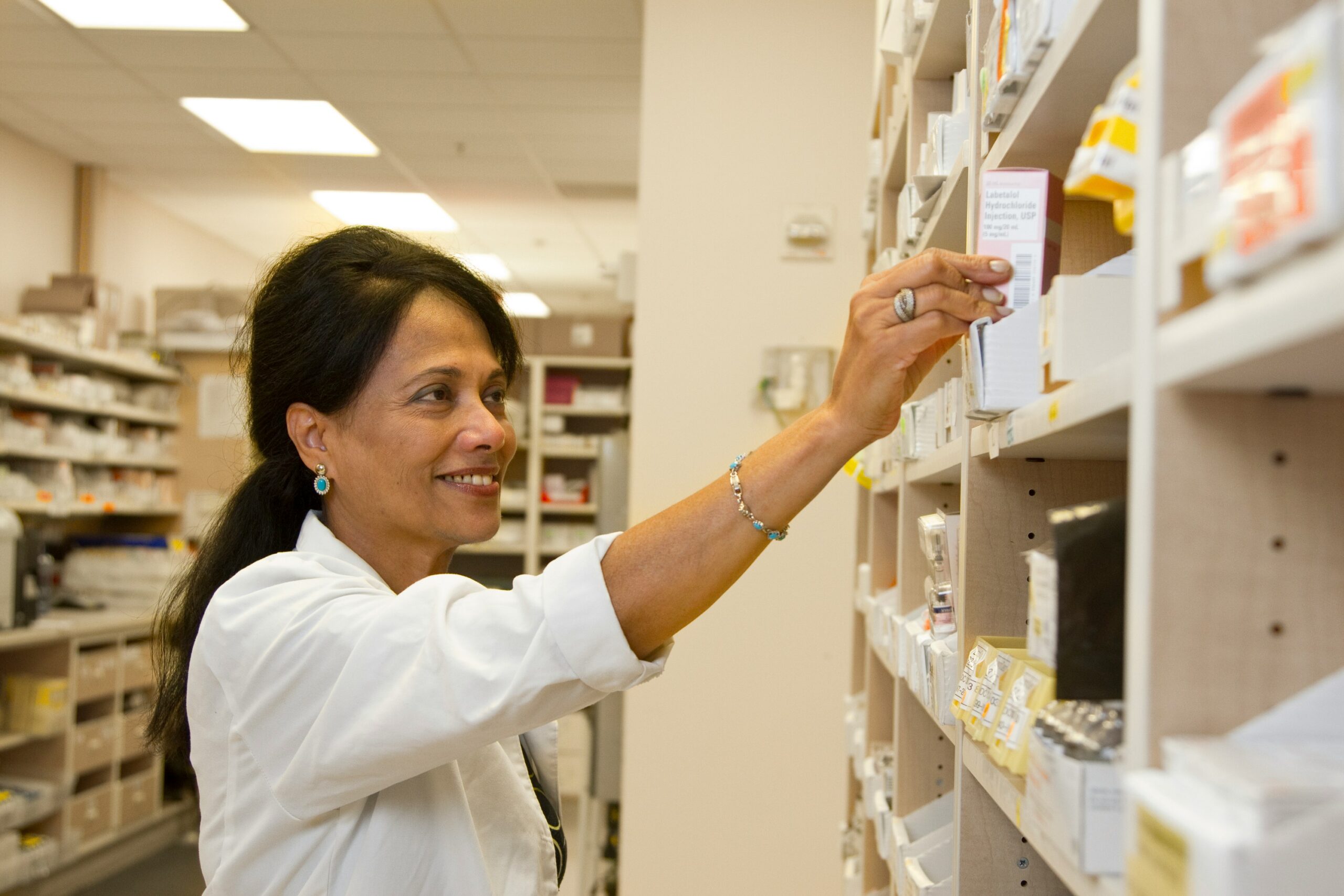
One thing that surprises most people arriving from the UK or Europe is how freely available medication is in Thailand. Most common medications do not require a prescription here, including antibiotics, ear drops, and various treatments that would require a GP visit back home. Pharmacies are everywhere in Phuket and the staff are generally knowledgeable and helpful.
This is worth knowing for minor issues but should not be treated as a substitute for proper medical advice when something is genuinely wrong. It does mean that for minor ailments, a trip to the pharmacy is often quicker and cheaper than any other option.
One thing to be aware of is that certain medications available in your home country may not be registered in Thailand or may require a hospital consultation to obtain. If you rely on specific medication, it is worth checking availability before you relocate.
Health Insurance Is Not Optional
If there is one thing to take away from this guide it is this: private hospital care in Phuket without insurance can be extremely expensive. Thai private hospitals require upfront deposits before treatment begins, typically ranging from 50,000 to 200,000 THB for planned procedures, and significantly more for major surgery. Without a direct billing arrangement between your insurer and the hospital, you pay first and claim later.
Medical costs in Thailand are also rising. Industry projections put medical cost inflation in the Asia-Pacific region at around 14% annually, meaning the cost of care is compounding significantly year on year. Getting insured before you need it is considerably cheaper than getting insured after something goes wrong.
Most long-term expats in Phuket use international health insurance providers. Names that come up regularly in the expat community include Cigna, AXA, and Allianz. When choosing a plan, look for one that covers both inpatient and outpatient treatment and has a direct billing arrangement with Bangkok Hospital Phuket specifically, as that removes the need to pay out of pocket and reclaim later.
If you are on a retirement visa, health insurance is also a requirement for annual renewal, so it is not something you can sidestep regardless.
Paediatric Care and Families
Healthcare for children in Phuket is a common concern for relocating families and the reality is reassuring. Bangkok Hospital Phuket and Siriroj both have strong paediatric departments with English-speaking doctors who have trained internationally. Independent family clinics like Phuket Family Health also offer more personalised, flexible care that suits families who want to build an ongoing relationship with a specific doctor.
One practical step worth taking early is to identify a paediatrician before you need one. Ask in expat groups, get recommendations from families who have been on the island a while, and book an initial consultation just to establish a relationship. Having a trusted doctor who knows your children makes a significant difference when something comes up unexpectedly.
It is also worth checking vaccination schedules when you arrive. The Thai vaccination programme differs from those in the UK, US, and other Western countries, so making sure your children are up to date on the right vaccines for this part of the world is something to sort out in the first few weeks.
Emergency Numbers Worth Saving
Before anything else goes in your phone when you arrive in Phuket, add these:
The national ambulance number is 1669. This is the number to call in any medical emergency. Response times vary depending on where you are on the island and the time of day, but it is the correct number to use.
The Tourist Police line is 1155, useful if you are new to the island and dealing with an emergency situation where you need English-speaking support.
Beyond those, save the direct emergency line for whichever hospital you plan to use as your primary facility. Bangkok Hospital Phuket’s number is 076 254 425. Having it in your phone before you need it takes thirty seconds and matters a great deal in the moment.
The Honest Summary
Healthcare in Phuket works well for expats, but it works on private system logic, not the public systems most people are used to in the UK, Europe, Australia, or Israel. You need insurance, you need to know which hospitals and clinics to use, and you need to be a bit more proactive about managing your own health records than you would be back home.
The upside is that private care here is fast, English-friendly, and significantly cheaper than comparable care in most Western countries. For routine issues, a clinic visit is quick and straightforward. For serious matters, Bangkok Hospital Phuket is as good as anything you would find at home.
Thinking About Making the Move?
Healthcare is one of the most common topics that comes up in our consultation calls, particularly for families with young children or anyone with ongoing medical needs. If you want a clear, honest picture of what to expect and how to set yourself up properly before you arrive, book a 30-minute call and we will walk you through it.
Frequently Asked Questions
Is healthcare good in Phuket for expats?
Yes, particularly through the private hospital system. Bangkok Hospital Phuket is JCI-accredited and meets international standards of care. English-speaking staff are available across all the major private hospitals and many clinics. The experience for most expats is faster and more straightforward than the public systems they are used to back home.
Do I need health insurance to live in Phuket?
In practical terms, yes. Private hospitals require upfront deposits before treatment, and costs for anything beyond a routine consultation can run to hundreds of thousands of baht without insurance. For those on a retirement visa, health insurance is also a formal requirement for annual renewal.
Can I use the public hospital system in Phuket as a foreigner?
Technically yes, but it is not the experience most expats want. Public hospitals are busy, wait times are long, and English support is limited. Most expats use the public system only as an emergency fallback, if at all.
How much does a clinic visit cost in Phuket?
A private clinic consultation typically costs around 500 THB, not including medication. Hospital consultations are more expensive depending on the facility and specialty. Both are significantly cheaper than comparable private care in the UK, US, or Australia.
