


Do Australians Need a Visa for Thailand and what Phuket life is like
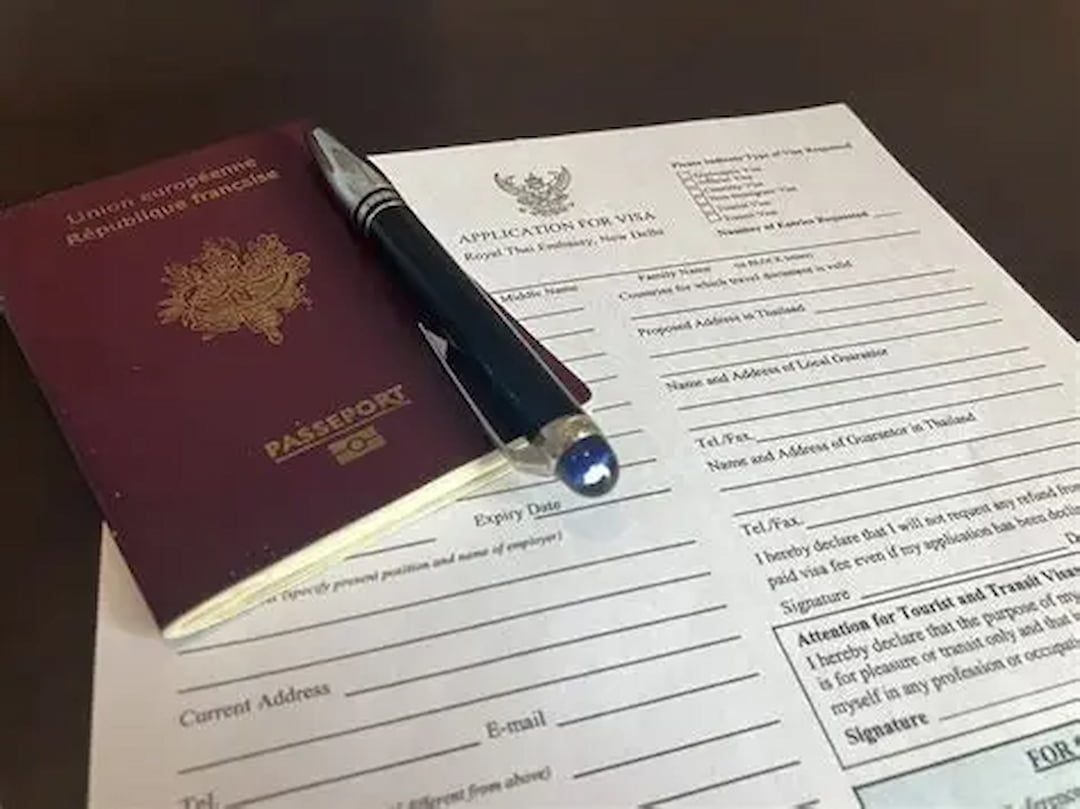
For short stays, no. Australian passport holders currently qualify for Thailand’s visa exemption, allowing entry without a formal visa, though the length of that stay is in flux given the pending change noted above. For anything longer, working remotely, retiring, or genuinely relocating, yes, a proper visa is required. The most relevant routes for Australians are the Destination Thailand Visa for remote workers and freelancers, requiring roughly 500,000 THB in savings, around AUD 21,400, and the Retirement Visa for those aged 50 and over. Both are covered in more detail further down. (All AUD figures in this post are approximate conversions and will move with the exchange rate, worth checking the current rate before relying on them.)
Correct at the time of publication!
Thailand’s Cabinet approved cutting the standard visa exemption from 60 to 30 days on 19 May 2026, and this had not yet taken effect as of publication, pending Royal Gazette publication and a 15 day implementation period. All arrivals also now require the TDAC digital arrival card, completed online before landing. Always confirm current entry requirements directly through the official Thai e-Visa portal before booking anything.

Cost of Living, Australia Versus Thailand
This is where the numbers are genuinely stark rather than a marketing line. Across multiple independent cost of living datasets, Thailand runs roughly 45 to 60% cheaper than Australia depending on the category measured, with rent specifically sitting around 60% lower. That is not a soft, “your money goes further” claim the way some comparisons end up being once you dig into the detail, this one holds up cleanly across the board, housing, groceries, and everyday spending all land meaningfully lower.
That said, the honest caveat, exchange rates move, and a comparison that looks compelling today can shift. At the time of writing, one Australian dollar buys roughly 23 Thai baht, worth checking the current rate rather than assuming it holds indefinitely.

Not as Far From Home as You Might Think
One thing that puts off a lot of Australians considering a move to Europe or the Americas is the sheer distance involved, and the toll that takes on visiting family or having them visit you. Thailand is a different proposition entirely. Perth to Phuket is a direct flight of around six and a half hours, genuinely comparable to some domestic long haul routes. Melbourne runs closer to eight hours fifty, Sydney around nine to nine and a half. Compare that to a UK relocation, typically eleven to fourteen hours before you’ve even landed, or a move to the US or Canada, where there is no direct routing to Thailand at all and total travel time with a layover regularly runs past twenty hours. For Australians specifically, Thailand is one of the more genuinely accessible long term relocation destinations available, not just in cost, but in the practical reality of getting home when it matters.

What Expat Life Looks Like day-to-day
Beyond the numbers, the shift in daily life is real. A slower pace, warmer climate year round, and a genuinely large, established expat community across the south of Phuket in particular make the adjustment easier than starting somewhere with no existing support network. The time that gets freed up matters too, less spent on long commutes, more available for the things that get squeezed out by a busier Western working life. Whether that translates into more time with family, more time outdoors, or simply a less rushed version of daily life depends on the individual, but it’s a consistent theme among people who’ve made the move.
What Nobody Mentions, the Trade-offs
It would be dishonest to present this as upside without cost. Thailand’s lighter regulatory environment cuts both ways. The lack of formal consumer protections that exist by default in Australia, things like deposit protection when renting, or clear recourse if a landlord or contractor doesn’t hold up their end, simply don’t exist in the same way here. That’s not a reason to avoid the move, but it does mean more personal diligence is required around who you deal with and what you agree to, rather than assuming a system will protect you the way it might at home.
Costs can also creep in ways that surprise people coming from the West. Individual prices are lower, but the sheer accessibility of things, casual dining, deliveries, help around the house, means it’s genuinely easy to spend more than planned simply because everything feels affordable in the moment. The lower baseline cost doesn’t automatically translate into lower total spend unless you’re deliberate about it.
A Note for Retirees
If you’re considering the retirement route specifically, Thailand’s Retirement Visa requires either 800,000 THB held in a Thai bank account, roughly AUD 34,260, or a monthly income of at least 65,000 THB, around AUD 2,783. Usefully, an Australian superannuation pension statement is generally accepted as proof of that income, a genuinely practical detail worth knowing if super is your main source of retirement income rather than a separate pension.

Getting Help With Your Own Move
Between visas, cost planning, and understanding what’s genuinely different about day to day life here, relocating from Australia to Thailand involves more moving parts than the headline numbers suggest.
Book a consultation with our team below if you’d like to talk through what a move would actually look like for your specific situation.
Frequently Asked Questions
How much cheaper is Thailand than Australia to live in?
Across most everyday categories, Thailand runs roughly 45 to 60% cheaper than Australia, with rent specifically around 60% lower, though your own costs will depend heavily on lifestyle and location.
What’s the fastest flight from Australia to Phuket?
Perth offers the shortest direct route at around six and a half hours, followed by Melbourne at roughly eight hours fifty, and Sydney at around nine to nine and a half hours.
Can Australian retirees use superannuation to qualify for a Thai retirement visa?
Generally yes, an Australian superannuation pension statement is typically accepted as proof of the monthly income requirement, currently around AUD 2,783, for the Retirement Visa.
