

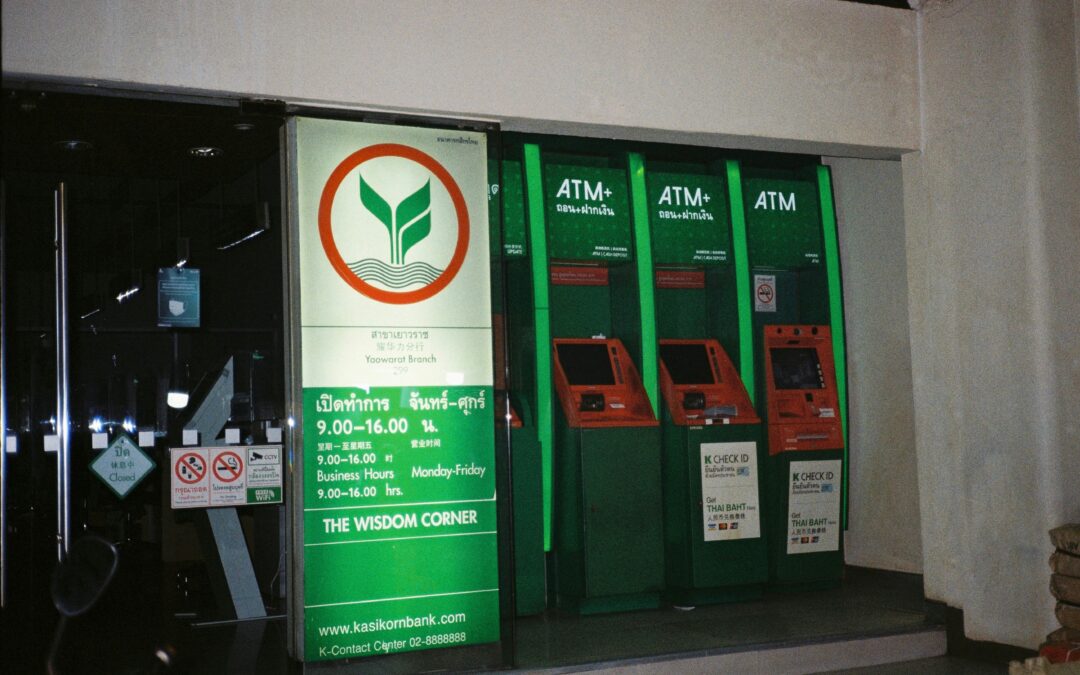
How to Open a Bank Account in Thailand?
Opening a bank account in Thailand is one of those things that sounds more complicated than it actually is. I have been through the process myself, watched friends navigate it with varying results, and the conclusion is always the same: your visa determines almost everything. Get that right and the rest is fairly simple. Get it wrong and there is not much you can do at the counter.
Can You Open a Bank Account in Thailand?
Whether or not you can open a bank account in Thailand depends almost entirely on your visa status. Banks here have become more cautious about accounts for foreigners over the past few years, and while every branch has its own approach, the broad picture holds pretty consistently.
| Visa type | Likely outcome | Why |
|---|---|---|
| Tourist visa | Usually refused | Not a long-term resident |
| Digital nomad / LTR (remote work) | Usually refused | Technically not permitted to work locally |
| Student visa | Usually refused | Combination of the above |
| Retirement visa (Non-OA / Non-OX) | Generally approved | Long-term resident status |
| Work permit / Non-B visa | Generally approved | Proof of local employment |
| Dependent visa | Generally approved | Long-term family residence |
| Thailand Elite / LTR (other categories) | Generally approved | Government-backed long-term status |
If you are on a tourist visa and hoping there is a workaround, I am not going to cover that here. There are routes people try, but they sit outside what I advise. For most people reading this, the answer is: sort out the right long-term visa first, then open your account. You can read more about the visa options available to you on our visas page.
What to Bring When You Go to the Branch
Most banks ask for roughly the same things, but what actually gets requested depends on the branch, the visa type, and whoever happens to be behind the counter that day. My advice is always the same: bring everything that could conceivably be relevant.
| Document | Notes |
|---|---|
| Passport | With your current visa clearly stamped |
| Thai phone number | A local SIM is essential before you go |
| Opening deposit | Around 500 baht, though this varies by bank |
| Proof of address | A lease agreement works well for this |
| Supporting documents | Work permit, school letter, or equivalent depending on your visa |
You will not be offered a credit card. This is standard practice for foreign residents regardless of how long you have been here or how much you earn. It is not much of a loss. Thailand is almost entirely a QR payment country now, and your debit card plus online banking will cover everything you need from day to day. There is also a one-off debit card fee of around 400 baht, so bring a little extra cash.
If you are in the process of arranging your rental, our post on renting a house in Phuket covers what a typical lease looks like and what landlords usually provide.
Choosing a Bank
Everyone asks which bank is best. The answer that no one likes but everyone eventually accepts is: the nearest reputable one.
The main banks you will come across are Kasikorn Bank (KBank), SCB, Bangkok Bank, and Krungthai. Locally they are known by colour: green, purple, blue, and grey respectively. All four are well-established, support English-language online banking, and are connected to PromptPay, which is the national QR payment system you will use for almost everything.
What I can tell you from experience is that every branch has its own atmosphere. What one branch accepts without question, another might query. If you have a difficult experience at one location, try a different branch before writing off the bank entirely. It is not a personal thing. It is just how banking here works.
Pick the colour you like. Or more practically, pick the one closest to where you live.
What to Do Once You Are at the Counter
A few things worth doing on the day that most people do not think about until after.
Ask the staff to set up your online banking before you leave. It takes ten minutes and they will walk you through it. Once it is done, you can handle transfers, pay bills, and top up your PromptPay balance from your phone. Queuing at a branch becomes something you only do once a year, if that.
You will leave with a bank book and a debit card. Some accounts also come with complimentary insurance, depending on the bank and the account type. Worth asking about while you are there.
One thing that catches couples off guard: there are no joint accounts for foreigners in Thailand. If both you and your partner need access to funds, you each need to open your own account separately. It is a minor inconvenience in practice, but it is better to know before the appointment rather than after.
For a broader sense of the financial side of living here, take a look at our cost of living in Phuket page, which covers what to expect month to month once you are settled.
Day-to-Day Banking in Phuket
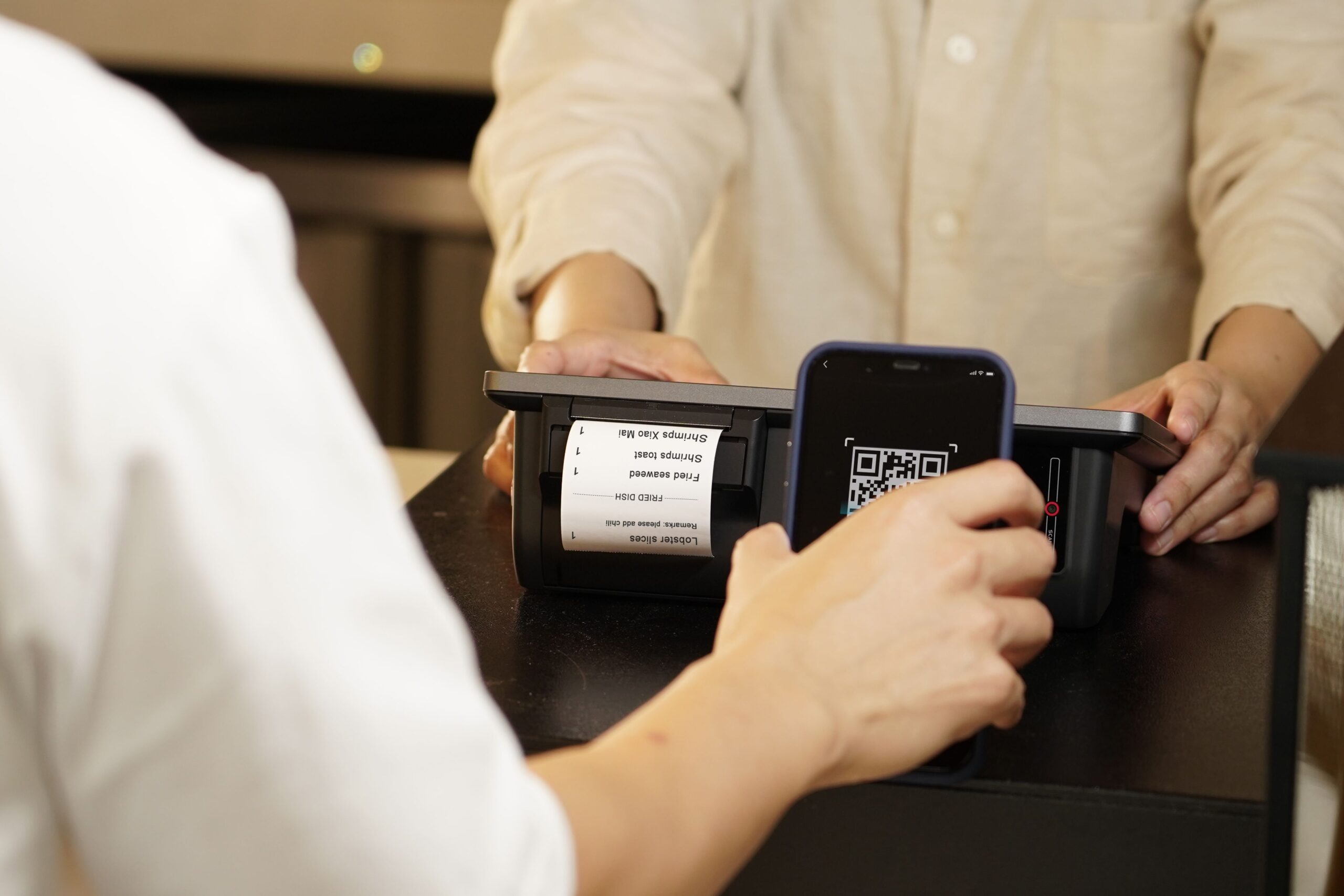
Once your account is open, banking in Thailand is genuinely easy. PromptPay is everywhere. You scan a QR code, confirm the amount, and the money moves in seconds. Markets, restaurants, pharmacies, repair shops — the majority of places accept it. Cash is still useful in some situations, but you will carry less of it than you expect.
Transfers between Thai bank accounts are fast and free. International transfers work too, though fees and exchange rates vary by bank and are worth checking before you commit to one. If you are moving funds regularly from abroad, it is worth asking at the branch specifically about international wire transfer options before you open your account.
As a new resident, having a local bank account also makes everything else easier: paying rent, setting up utilities, accessing healthcare, and just navigating the administrative side of being here.
Common Questions About Opening a Bank Account in Thailand
Can I open a bank account in Thailand on a tourist visa?
In most cases, no. Banks are not permitted to open accounts for tourists, and this rule has been applied more consistently in recent years. If you are planning to relocate, the right move is to secure an appropriate long-term visa before trying to open an account. Our relocation page covers the main routes people take to establish residency here.
As a new resident, having a local bank account also makes everything else easier: paying rent, setting up utilities, accessing healthcare, and just navigating the administrative side of being here.
How much money do I need to open a bank account in Thailand?
Most banks require an opening deposit of around 500 baht, though this varies slightly. There is also a one-off debit card fee of around 400 baht. Bringing 1,000 baht in cash on the day will cover both comfortably.
Can my partner and I share a joint bank account in Thailand?
Joint accounts are not available to foreigners in Thailand. Each person needs their own individual account. If you are relocating as a couple or family, factor this in when planning your first visit to the branch. Bring both passports and open two accounts in the same visit to save time.
Do I need a Thai phone number to open a bank account?
Yes. A local Thai phone number is required to complete the account setup, including online banking registration. Get a Thai SIM card before your bank appointment. It does not need to be a long-term contract and a prepaid SIM from any convenience store will work fine.
What happens to my bank account if my visa expires?
Banks do not automatically close accounts when a visa lapses, but maintaining valid visa status matters for your broader legal situation in Thailand. If your visa circumstances change, contact your bank directly rather than leaving the account inactive without explanation.
